
Get the Most Out of Your PRP Therapy with These Tips
September 15, 2025
Platelet-rich plasma (PRP) therapy can ramp up your body’s natural healing processes and play an important role in reducing pain. However, in order for it to achieve its potential, you will need to lend it a helping hand. In this blog post, you will learn about things you can do before and after your treatment that can maximize its results.
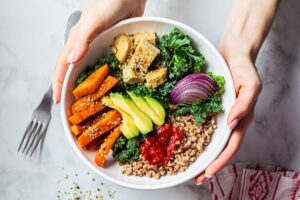
Eat a Diet that Promotes Healthy Blood
Your body depends on strong, healthy blood for effective PRP therapy, so it would be wise to focus on consuming foods that support optimal blood health.
- Leafy green vegetables, such as spinach and kale, are rich in vitamin K, which is vital for proper blood clotting.
- Iron-rich foods like red meat, beans, and lentils help your body produce the red blood cells necessary for tissue repair.
- Vitamin C from fruits such as oranges and strawberries aids in the absorption of iron, maximizing the benefits.
Also, as a general rule, it is best to minimize highly processed foods and focus on whole foods instead.
Get Enough Exercise
Physical activity plays a key role in supporting your body’s healing mechanisms after PRP therapy. Regular exercise increases circulation, delivering oxygen and nutrients to injured tissues. Choose activities that are safe and appropriate for your condition, such as walking, swimming, or light stretching. Listen to your body and avoid pushing yourself too hard, especially in the days immediately following your treatment.
Avoid Certain Medications
Some medications can interfere with the effectiveness of PRP therapy. For example, nonsteroidal anti-inflammatory drugs (NSAIDs), including ibuprofen and aspirin, may hinder the healing process by suppressing the inflammation that is necessary for tissue repair. Discuss your medication list with your doctor before your procedure. They may recommend pausing certain drugs for a period of time before and after your therapy.
Avoid Alcohol and Tobacco
Alcohol and tobacco can negatively impact your body’s ability to heal after PRP therapy. Alcohol may impair platelet function and slow down recovery. Tobacco use restricts blood flow and decreases the delivery of oxygen and nutrients to tissue, which can prolong healing and reduce the effectiveness of your treatment. Make a conscious effort to abstain from both substances at least several days before and after your PRP session. If you need help quitting, reach out to your healthcare provider for resources and support.
Comply with Your Doctor’s Recommendations
Your doctor’s instructions are tailored to your individual needs and are designed to maximize your results from PRP therapy. Follow all pre- and post-procedure guidelines, which may include attending follow-up visits, activity modifications, and more. Adhering to these recommendations helps optimize healing and reduces the risk of complications. If you have questions or concerns, communicate with your healthcare team promptly.
PRP is pretty amazing, and you can help it do its job by adhering to some basic pre- and post-treatment best practices.
Meet the Practice
At the Institute for Non-Surgical Orthopedics, we are proud to provide a range of minimally invasive treatment options for common musculoskeletal conditions. If you are thinking about getting PRP to help you recover from an injury or cope with a degenerative condition, we would be happy to answer your questions. Contact our Fort Lauderdale office at 954-563-2707.
No Comments
No comments yet.
RSS feed for comments on this post.
Sorry, the comment form is closed at this time.