
What Can You Expect After Your Pain Management Injection?
December 29, 2025
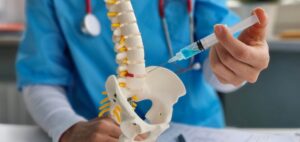
Pain management injections are often an effective, conservative alternative to surgical intervention for various causes of musculoskeletal pain. If you have never had such an injection, though, you may have questions about what to expect afterward. Do the injections have side effects? When might you start to experience pain relief? This blog post explains what you should know.
Immediately Afterward
Often, medical professionals administer local anesthesia during the injection process, so you are unlikely to feel the injection itself. Afterward, the anesthesia may stay effective for several hours. Once it wears off, it is normal to experience some mild swelling or discomfort at the injection site.
During the first 24 hours after your appointment, it would be a good idea to limit physical activity and drink plenty of water. You can also ice the injection site for 15 – 20 minutes at a time to minimize swelling.
When Will You Notice the Benefits?
There are no hard-and-fast expectations for when you will notice the benefits of pain management injections. Your response depends on the severity of your condition, the type of injection you receive, and other factors.
- Trigger Point Injections: Many patients begin to notice relief within a few hours to a couple of days after the injection, as the local anesthetic starts to work quickly, but full benefits may take up to a week.
- Corticosteroid Injections: Pain relief from corticosteroid injections often starts within 24 to 72 hours, though it can sometimes take up to a week for the maximum benefits to kick in.
- Epidural Blocks: Some individuals may feel improvement in their symptoms within a few hours, but for others, it might take several days (up to a week) to experience significant relief.
- Facet Joint Injections: Initial numbness or relief may occur right away due to the local anesthetic, but long-term pain relief may take longer to set in.
Other types of injections, such as regenerative medicine options like prolotherapy and Prolozone, may take longer to produce results. They might also require multiple sessions. However, they may work better long-term because their goal is to help heal the body, not simply to manage symptoms.
Signs You Should Contact Your Doctor
Severe complications and adverse reactions after pain management injections are rare. However, you should contact your doctor if you experience:
- Severe or increasing pain at the injection site
- Redness, warmth, or swelling that worsens over time
- Fever or chills
- Persistent numbness or weakness in the treated area
- Difficulty breathing or chest pain
- Signs of infection, such as pus or unusual drainage from the injection site
- Rash or severe allergic reaction (e.g., hives, swelling of the face or throat)
- Loss of bladder or bowel control
Most patients experience smooth sailing following their pain management injections. Talk to your care provider to learn more about the road ahead.
Meet the Practice
The Institute for Non-Surgical Orthopedics is home to a large team of medical professionals, all of whom are committed to providing top-quality care. We offer a broad range of treatment options to help patients manage musculoskeletal conditions. If you are struggling with pain due to an injury or chronic condition, we can evaluate your case and advise you on your next steps. Contact our Fort Lauderdale location at 964-563-2707.
No Comments
No comments yet.
RSS feed for comments on this post.
Sorry, the comment form is closed at this time.