
Is It Knee Arthritis? Early Signs to Watch For
September 16, 2026
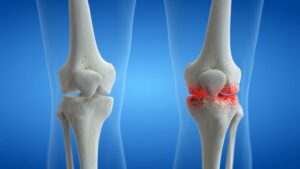
Arthritis — specifically, osteoarthritis — is the most common joint disease among adults in the U.S. It occurs as cartilage, which cushions the movement of joints, begins to break down. Any joint in the body can be a victim of arthritis, but the knees are often most likely to develop it. Recognizing arthritis early on can allow you to seek timely treatment and protect your quality of life! What are some signs to look for, and how can you minimize the impact of this condition? Continue reading to find out.
Early Signs of Knee Arthritis
The signs of knee arthritis can be subtle at first, so it is important to listen to your body and take note of symptoms like:
- Persistent joint stiffness: This may be especially noticeable after you have been inactive for a time.
- Recurring joint pain: You may experience this when you are performing repetitive motions, like walking or climbing stairs. It tends to start out very mild.
- Swelling: Your knees may feel warm and tender, and they may be slightly enlarged.
- Reduced flexibility: You may experience reduced range of motion in your knees.
- Weakness and instability: Your knees may feel unsteady, as if they are unable to support your weight.
Anyone may develop knee arthritis, but it is especially common among older individuals, those with past joint injuries, and overweight people.
What Can You Do?
Osteoarthritis is a degenerative condition, which means it tends to grow worse over time. The good news is that you can take steps to protect your joints, manage your symptoms, and continue moving freely.
One thing you can do is to visit an orthopedic doctor. They can assess your condition and recommend appropriate therapies. For example, you might be a candidate for regenerative therapies like Prolozone, prolotherapy, PRP, or amniotic growth factors. These approaches support your body’s natural healing mechanisms. While they cannot regrow large amounts of cartilage, they can slow down joint damage and reduce pain.
You should also keep in mind the need to remain active. Regular physical activity can slow joint degeneration as it lubricates joints, strengthens your muscles, and aids in weight management. Try to incorporate a balance of strength training and low-impact activities like walking or swimming.
Knee arthritis can be painful and troubling, but it does not have to rule your life! Start managing it early on so you can keep moving and avoid joint surgery for as long as possible.
Meet the Practice
At the Institute for Non-Surgical Orthopedics, our team is home to several highly skilled doctors and other medical professionals who aim to help patients thrive through minimally invasive care. We offer regenerative medicine, chronic pain management, and more. If you are experiencing symptoms of knee arthritis, we would be happy to provide professional guidance and support. Contact our Fort Lauderdale location at 954-563-2707.
No Comments
No comments yet.
RSS feed for comments on this post.
Sorry, the comment form is closed at this time.